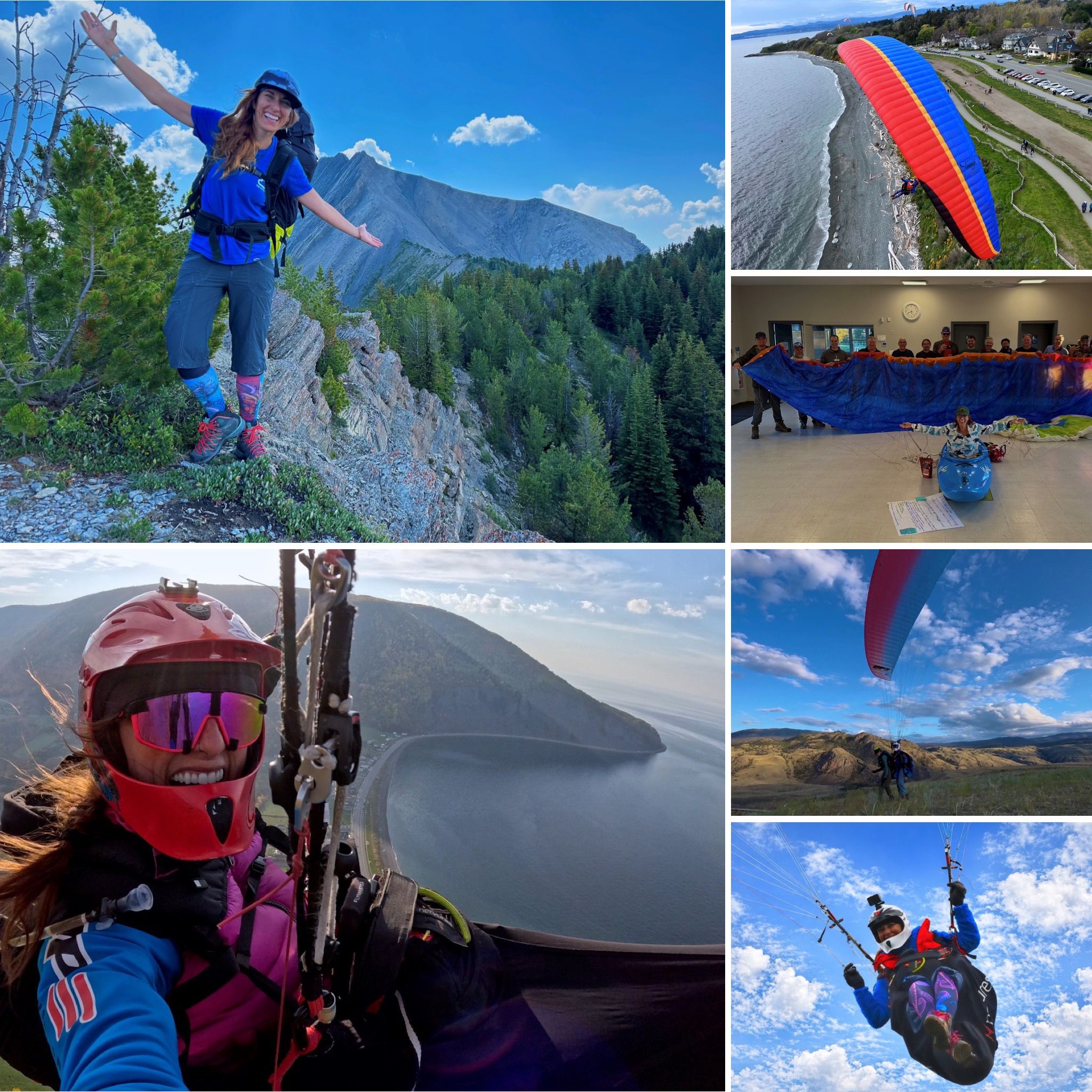
Raven Girouard of draGOnFLYsister flies where paragliding feels like an even greater adventure.
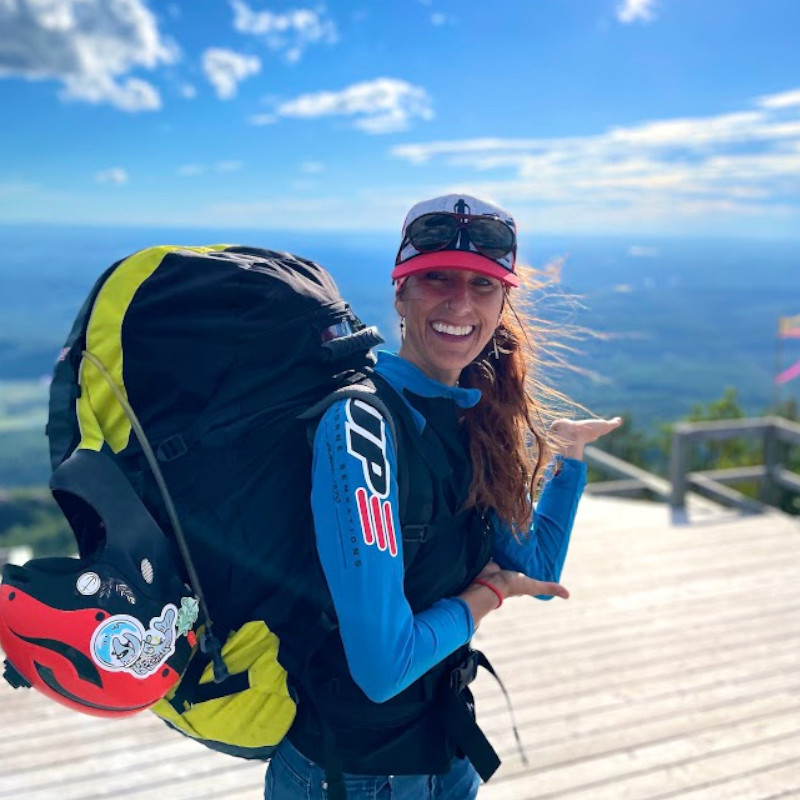
How did you get into flying, Raven?
"I grew up around aviation, flying in Cessnas with my father. That’s where I first learned to read the sky, an early connection that stayed with me. Later, I traded engines for thermal flying, the kind that doesn’t need fuel; quieter, lighter, and deeply connected to the environment. What drew me in was a feeling I already knew from whitewater: reading movement, adapting in real time, and moving with nature. The transition felt natural.
Paragliding came into my life in a way I’ll never forget. I was whitewater kayaking in Taiwan, surfing ocean waves, when I heard a surfer screaming for help and saw he was in serious trouble. I paddled over and helped bring him safely back to shore. He told me I had saved his life, and in gratitude later that day, he invited me to a paragliding target landing competition. That afternoon, I took my first tandem flight. From ocean to sky in a matter of hours, my path changed in an instant. That was the beginning of everything. I've been paragliding ever since.
Flying is a way of life. I approach it with immense respect, a constant drive to improve, strong situational awareness, and a lot of heart."
What did your career path up to being UP dealer look like?
"I’ve always followed my own path, marching to the beat of my own drum, and that rhythm has been shaped by decades of experience across aviation, marine environments, rescue work, and education. I’ve worked as a tandem pilot, instructor, medic, guide, expedition leader, SAR responder, firefighter, Class 1 professional driver, educator, and athlete. Across all of these roles, one thing has remained constant: safety and people come first. Through real-world experience, and as one of the few women in many of these male-dominated roles, I’ve learned that caution isn’t hesitation; it’s competence. That becomes even more critical when you’re responsible for others in the air.
With over 20 years in both classroom and outdoor education, I approach teaching through the lens of cognitive development and differentiated learning. Not everyone learns the same way, and that matters in aviation. One of the most overlooked realities in this sport is that women often learn and fly differently than men. Our risk perception, spatial awareness, and communication styles can differ, and instruction needs to reflect that.
My background in whitewater expedition guiding reinforced that approach. On some of the world’s most demanding rivers, I couldn’t rely on brute strength. Instead, I had to use finesse: anticipating flow, strategically planning lines well in advance, communicating clearly, and committing to precision. That same mindset translates directly to flying: understand your environment, know your people, read conditions early, prepare methodically, and fly clean.
Whether in water or in the air, flow is flow, and it rewards those who anticipate, not react. These are the skills I bring into aviation."
Since when are you connected with UP?
"draGOnFLYsister Canada started as a vision.
Paragliding since 2001, I felt a strong responsibility to open that world to others. As one of the few women in the sport at the time, I wanted to share the sky in a way that is grounded in trust, awareness, and real learning: to create a space where people, especially women, can grow, build confidence, and feel supported in environments that demand both skill and presence. I built this school from a deep passion for flying and a desire to make a difference.
There’s something powerful about being in the mountains, in the air, or on water with a group of women who all want the same thing: to learn, to grow, and to push a little further.
I believe leadership through example is one of the most powerful tools we have. I hold myself to high standards. I take responsibility for how I teach, because clarity builds confidence, and confidence builds capable, lifelong pilots. That’s what allows people to progress safely. That philosophy is at the core of draGOnFLYsister.
That’s how draGOnFLYsister Canada was built: a bilingual, mobile paragliding and wilderness adventure school shaped by water, mountains, and air; where teaching is intentional and leadership is lived.
In 2021, I partnered with UP and began representing the company in Canada. I was introduced to them through Parafreddo, Canada’s leading maintenance and certification shop. Frederick spoke highly of their work, so I evaluated the wings for myself in real conditions, where decisions matter. That’s where they proved themselves. From the start, the alignment was clear: a shared commitment to safety, craftsmanship, and flying with intention. It mattered to me to work with people who carry that same level of care and responsibility in the air.
Today, as a UP dealer, their wings are woven into my day-to-day work. They carry my work across Canada and beyond; through expeditions, guiding, and the communities I’m privileged to fly with. I share them with athletes, wilderness lovers, and tandem passengers through draGOnFLYsister, in the places where performance and judgment truly count.
Representing UP feels natural because it reflects how I operate. I stand behind what I trust with my life, and that standard is non-negotiable. UP meets it, consistently, where it matters most."
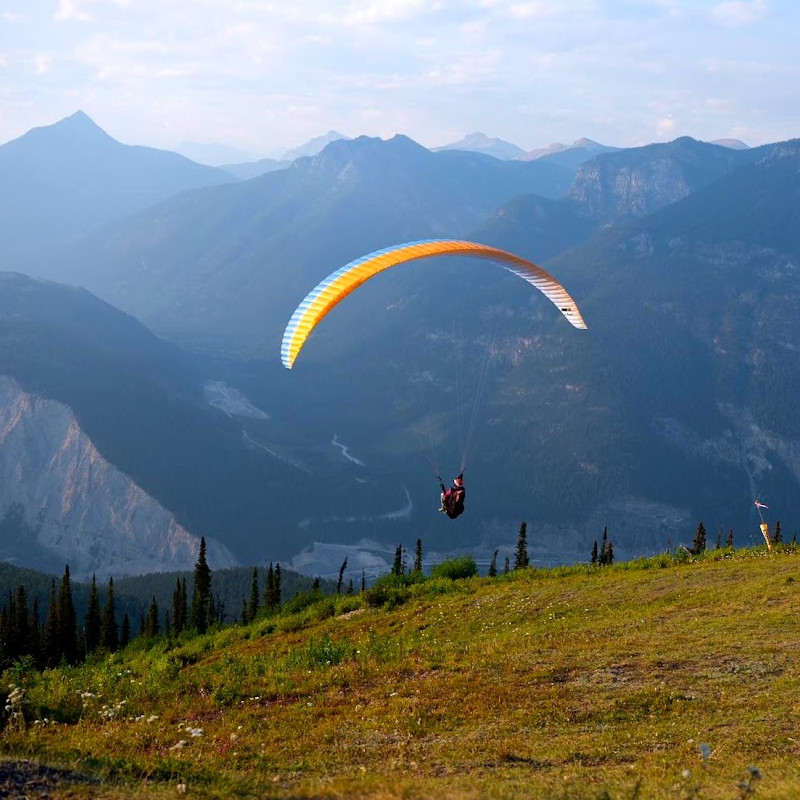
What’s special and good to know about flying in Canada?
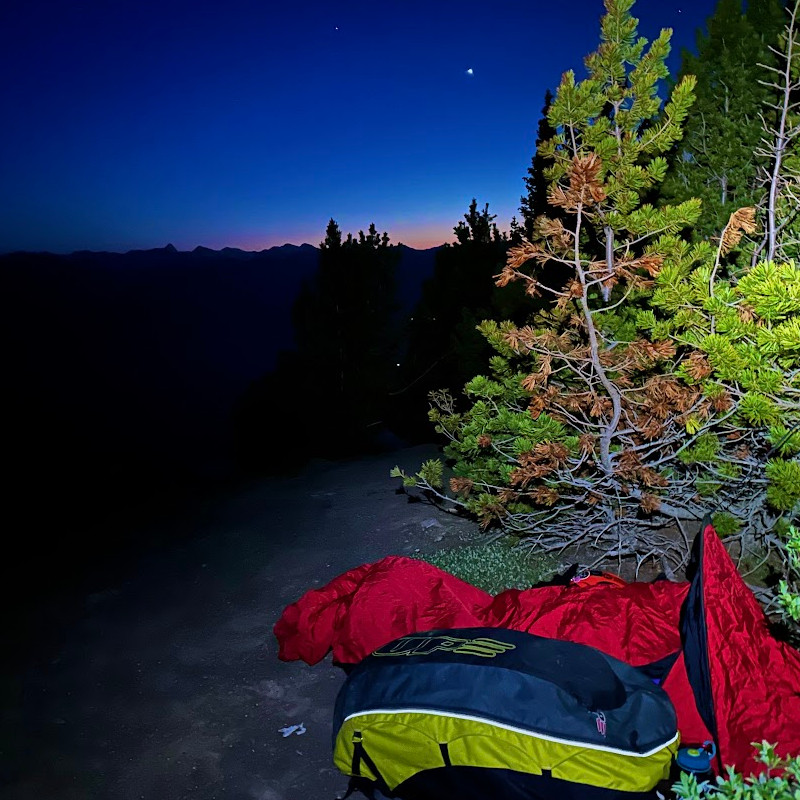
"Canada is big, really big. And flying here comes with a sense of space you don’t find in many places. It’s wild, it’s vast, and if you land out, you’re likely in for a bit of an adventure. Long transitions, remote terrain, and a lot of trees mean preparation matters. Download your maps, carry plenty of extra food and water, and don’t count on cell service, it won’t be there when you need it.
And then there are the locals. In Québec, the maple syrup alone is worth the trip, arguably the best recovery fuel after a flight. Out west, mosquitoes are… committed. Land near wetlands and you’ll become part of the ecosystem, briefly. Wildlife is part of the experience too. Bear awareness is real, and you learn quickly to look around before celebrating your landing. And if you’re in British Columbia, let’s just say Sasquatch is part of the local legend. If you feel like you’re being watched after you touch down in the backcountry, you might not be entirely wrong.
That’s what makes flying in Canada so special: it keeps you sharp, humble, and fully present. And in return, it offers some of the most raw and unforgettable flying you’ll ever experience."
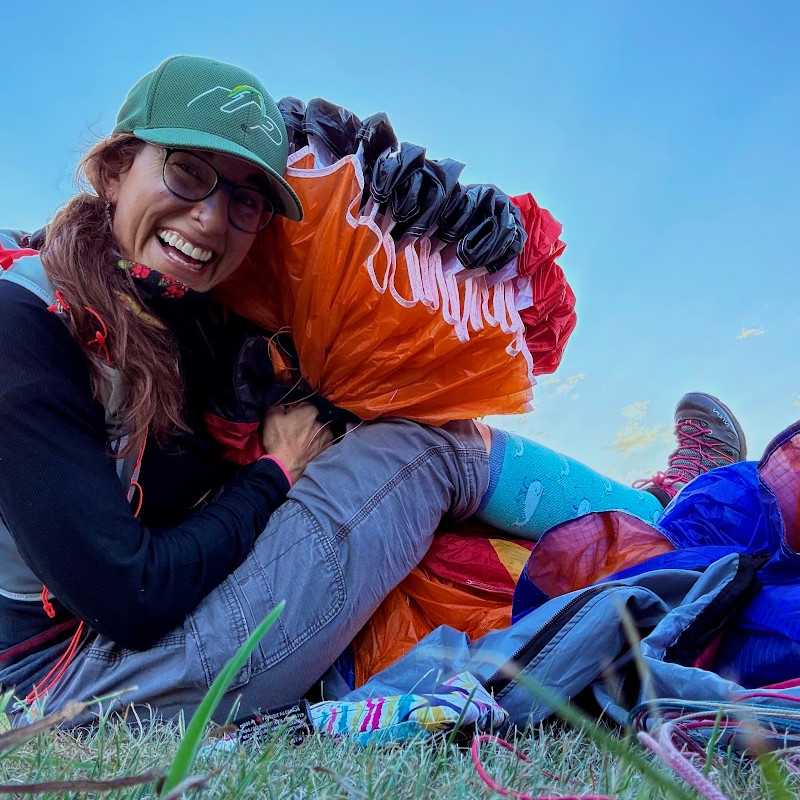
What’s the best general advice regarding paragliding you’ve ever been given?
"I trained overseas and had the privilege of learning from experienced pilots in South Korea early in my flying journey. The most important lesson I received was simple: Never rush a takeoff. Fly safely if you want to fly longer. Slow pace wins the race.
Their mentorship, offered with humility, still shapes how I fly and how I teach. That mindset has stayed with me ever since; their voices still echo in my decision-making. It reinforced something essential in aviation: good decisions are rarely rushed.
My pace reflects that philosophy: steady, present, and built for long-term success over short-term thrill. It’s methodical for a reason. As a lighter tandem pilot, I’m especially attentive to weight balance, wind strength, and margins for error, factors that become critical as conditions build, especially when flying with people still learning to read them. In those moments, being a steady voice matters. That awareness is part of responsible decision-making, where sound judgment becomes essential.
When I fly, I listen. Not just to forecasts, radio, or instruments, but to the energy of the site, to my gut, and to the people around me. I absorb what’s happening and act early when I sense risk. The wind, the sky, and the mountain don’t owe us anything. We’re guests in that space.
That’s what I try to pass along to the next generation of pilots. At its core, flying isn’t about rushing progression; it's about respect: for the wing, the weather, the terrain, and the people we fly with. A good beginning never ends, if it’s done right."
What flying site is your favorite and why?
"That’s a hard one, because every site has its own kind of magic.
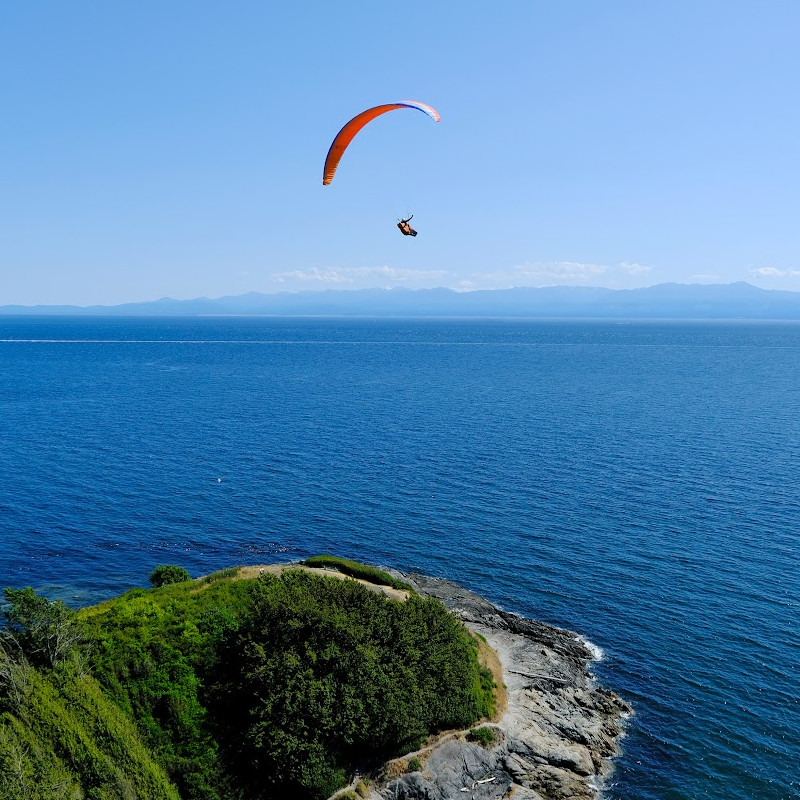
Tadoussac Dunes in Québec is one of those rare places where everything comes together: smooth coastal lift, endless soaring, and if you’re lucky, whales breaching while you’re in the air. The salty air, the horizon that never seems to end, it’s quiet, powerful, and completely unique.
On the other side of the country, Mount 7 in British Columbia is a different kind of playground: strong, technical, and full of energy. Punchy thermals when it’s on, and some of the most beautiful glass-off evenings you’ll ever fly. In winter, it opens another door entirely, with backcountry ski or snowboard access adding to the adventure.
And then there are the rugged places you reach on foot, the hike-and-fly zones that don’t show up on maps. Those are the ones that stay with you the longest.
Each site asks something different of you, and that’s what keeps it interesting. Once you fly Canada, you understand why."
Got some general tips for pilots visiting your country?
"Be self-reliant. Stay adaptable. Respect the land. Be bear aware; it’s part of the game.
Canada can take you far from roads and cell service, so always fly ready to be out longer than expected. Pay attention to the full picture: upper winds, incoming weather, and how quickly conditions can change. Think ahead to where you might end up, not just where you plan to land.
Dress for altitude. Layers are part of the system. Carry plenty of food, water, and a communication device like an inReach, with backup power. And yes, being well prepared means you might have enough snacks to negotiate with the furry locals. It also means flying in winter gear most of the year. :)"
What’s your plan for the next five years?
"Keep progressing: more airtime, more whitewater, more time outside.
This season, I’m returning to competition and building airtime. Acro is next; it always felt like whitewater kayaking in the sky, and I’m ready when the timing, gear, and mentors align.
Beyond that, continuing to build draGOnFLYsister and doing more of what fuels the fire. Just getting started. Imagine what’s coming next."
Have you tried the newest UP gliders, TORRE & K2 5, or are you still looking forward to it?
"UP wings already perform at such a high level that it’s hard to imagine what more can be done. I’ve always respected their design approach; there’s a consistency and feel to their wings that truly stands out. I haven’t flown the TORRE or K2 5 yet, so I’m genuinely curious to get them in the air and see how they feel.
Wishing you strong thermals and safe landings!
PS: "You haven't seen a tree until you've seen its shadow from the sky..." - Amelia Earhart"